
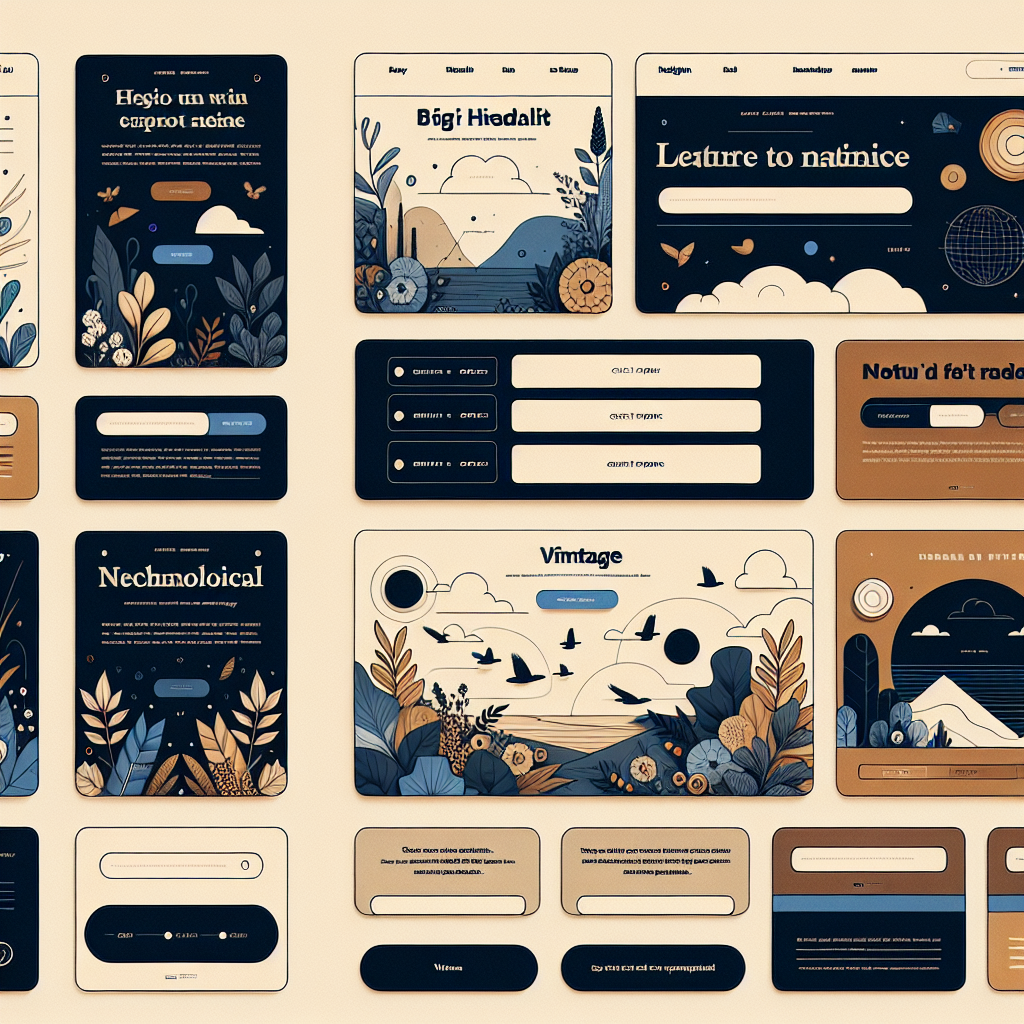
Mastering the Art of Landing Pages: Best Practices for Website Success
Mastering the Art of Landing Pages: Best Practices for Website Success
In the competitive world of making money websites, having a well-designed landing page is crucial for attracting and converting visitors into customers. A landing page serves as the first impression of your website and can make or break your online business. To ensure your landing page is optimized for success, here are some best practices to follow:
1. Clear and Compelling Headline
The headline is the first thing visitors will see when they arrive on your landing page, so it’s important to make it clear and compelling. Use a headline that captures the essence of your offering and entices visitors to keep reading. Make sure the headline is easy to read and grabs the visitor’s attention.
2. Concise and Persuasive Copy
After capturing the visitor’s attention with a compelling headline, the next step is to provide clear and concise copy that conveys the benefits of your product or service. Use persuasive language to convince visitors of the value you offer and how it can solve their problems. Avoid using jargon or technical language that may confuse or alienate visitors.
3. Strong Call-to-Action
Every effective landing page includes a strong call-to-action (CTA) that prompts visitors to take a specific action, such as signing up for a newsletter, downloading an e-book, or making a purchase. Make sure the CTA stands out on the page and is easy to find. Use action-oriented language that encourages visitors to act now.
4. Visual Appeal
In addition to compelling copy, a well-designed landing page should also be visually appealing. Use high-quality images, videos, and graphics to enhance the overall look and feel of the page. Make sure the design is clean and easy to navigate, with plenty of white space to help the content stand out.
5. Mobile Optimization
With more and more people accessing websites on mobile devices, it’s essential to ensure your landing page is optimized for mobile users. Make sure the page loads quickly on mobile devices and is easy to navigate with touch controls. Consider creating a separate mobile version of your landing page for a seamless user experience.
6. A/B Testing
To maximize the effectiveness of your landing page, consider conducting A/B testing to see which elements perform best. Test different headlines, copy, images, and CTAs to see what resonates most with your audience. Use the data from A/B testing to make informed decisions on how to optimize your landing page for better results.
7. Social Proof
Including social proof on your landing page can help build trust with visitors and convince them to take action. Testimonials, customer reviews, and case studies can all help demonstrate the value of your product or service and show that others have had positive experiences with your brand.
8. Optimize for SEO
To attract organic traffic to your landing page, it’s important to optimize it for search engines. Use relevant keywords in your headline, copy, and metadata to improve your chances of ranking higher in search engine results. Make sure your landing page is easy to index and crawl by search engine bots.
In conclusion, mastering the art of landing pages is essential for the success of your website. By following best practices such as clear and compelling headlines, concise and persuasive copy, strong CTAs, visual appeal, mobile optimization, A/B testing, social proof, and SEO optimization, you can create a landing page that attracts and converts visitors into customers. Remember to continuously monitor and analyze the performance of your landing page to make improvements and drive better results.


